If you want a more refreshed, youthful look—without relying on synthetic fillers—PRF treatment may be a great option. PRF (platelet-rich fibrin) is a regenerative therapy made from your own blood, designed to support collagen production, skin quality, and natural rejuvenation.
PRF is often used for delicate areas like the under-eyes, as well as for overall facial revitalization where patients want subtle, natural improvement.
This guide explains what PRF treatment is, how it works, benefits, results, downtime, and who it’s best for.
PRF (platelet-rich fibrin) is a blood-derived concentrate that contains:
Platelets (growth-factor support)
Fibrin matrix (a natural scaffold)
White blood cells (protocol-dependent)
Unlike some other regenerative treatments, PRF is often prepared without anticoagulants (protocol-dependent), which may allow for a slower release of growth factors over time.
PRF is commonly used in aesthetic medicine to support:
Skin rejuvenation
Collagen stimulation
Improvement in tone, texture, and hydration
Under-eye refreshing (case-dependent)
PRF treatment typically involves these steps:
Blood draw: a small amount of blood is collected
Processing: the blood is spun in a centrifuge to isolate PRF
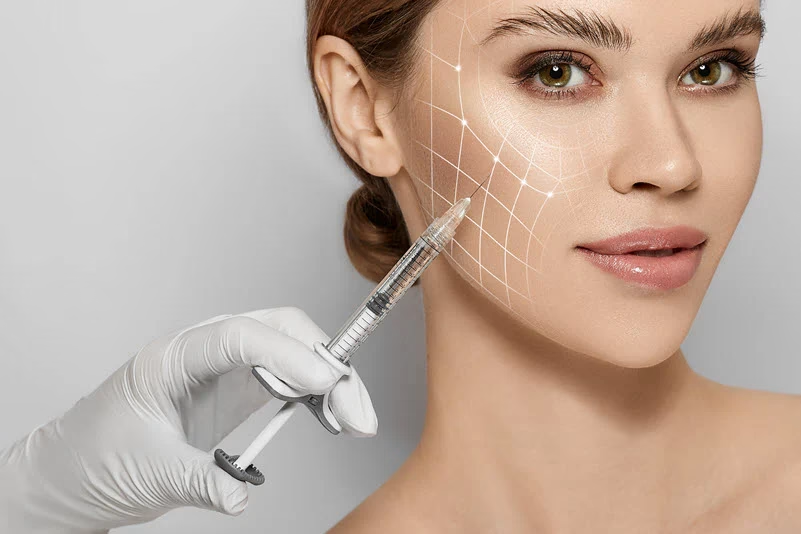
Application: PRF is injected or applied in targeted areas to support regeneration
PRF works by supporting the body’s natural repair processes, which may help:
Improve skin quality and firmness
Enhance under-eye appearance (case-dependent)
Promote collagen remodeling over time
Because collagen remodeling takes time, PRF results are often gradual and natural-looking.
PRF and PRP are related, but they are not the same.
| Feature | PRF | PRP |
|---|---|---|
| Material | Platelet-rich fibrin | Platelet-rich plasma |
| Consistency | Thicker / fibrin matrix | More liquid |
| Growth factor release | Slower, more sustained | Faster, shorter window |
| Common aesthetic use | Under-eyes, skin quality | Skin glow, hair support (varies) |
Many providers choose PRF for areas where a more gradual release may be helpful, especially when aiming for natural rejuvenation.
PRF is commonly used to address:
Under-eye hollowing or tired appearance (case-dependent)
Fine lines and crepey texture
Skin dullness and uneven tone
Early signs of aging and collagen loss
Under-eye area (tear trough region, case-dependent)
Cheeks and midface (for skin quality)
Smile lines and fine lines (case-dependent)
Neck (skin quality support)
Hands (in some protocols)
Your provider will recommend the best approach based on your anatomy and goals.
Patients choose PRF because it may offer:
Uses your own biological material (biocompatible approach)
Supports collagen and skin quality improvements
Natural-looking, gradual rejuvenation
Can be used in delicate areas (case-dependent)
Minimal downtime for many patients
A “regenerative” approach without synthetic fillers
Most PRF improvements develop gradually. Patients often notice:
Subtle refreshment after treatment
Continued improvement over 4–8 weeks
Better skin texture and a healthier appearance over time
Many protocols recommend a series of treatments (often 2–3 sessions), followed by maintenance depending on goals and provider guidance.
Downtime is usually minimal. You may experience:
Mild swelling or redness
Temporary bruising (more common under the eyes)
Tenderness for a short period
Most patients return to normal activities quickly, depending on the treatment area.
PRF treatment may be a good fit if you:
Want natural-looking rejuvenation
Prefer avoiding synthetic fillers
Want improvement in under-eye appearance or skin quality (case-dependent)
Are comfortable with gradual results that improve over time
A consultation is important to determine if PRF is the best choice for your concerns.
PRF should be performed by trained medical professionals. A consultation is important to review your medical history and determine the safest treatment approach.
This content is for informational purposes and does not replace medical advice.
Most patients tolerate PRF well. A topical numbing agent may be used depending on the area.
Most visits take 45–75 minutes, including blood draw, processing, and treatment.
Some patients notice subtle changes early, but most improvements develop over 4–8 weeks.
Results vary, but many patients do maintenance sessions based on goals and provider recommendations.
It depends on the goal and treatment area. PRF may provide a slower release of growth factors, while PRP is more liquid and used differently.
PRF treatment is a regenerative option that supports natural skin rejuvenation and collagen stimulation using your body’s own resources. If you want subtle, gradual improvement—especially in delicate areas like the under-eyes—PRF may be a great fit.
Interested in a natural, regenerative approach to facial rejuvenation?
📞 Call us




By submitting this form, you agree to receive emails about our products, sales, exclusive content and more. View our Privacy Policy.
© 2025 AestheteMed. All rights reserved.
If you want a more refreshed, youthful look—without relying on synthetic fillers—PRF treatment may be a great option. PRF (platelet-rich fibrin) is a regenerative therapy made from your own blood, designed to support collagen production, skin quality, and natural rejuvenation.
PRF is often used for delicate areas like the under-eyes, as well as for overall facial revitalization where patients want subtle, natural improvement.
This guide explains what PRF treatment is, how it works, benefits, results, downtime, and who it’s best for.
PRF (platelet-rich fibrin) is a blood-derived concentrate that contains:
Platelets (growth-factor support)
Fibrin matrix (a natural scaffold)
White blood cells (protocol-dependent)
Unlike some other regenerative treatments, PRF is often prepared without anticoagulants (protocol-dependent), which may allow for a slower release of growth factors over time.
PRF is commonly used in aesthetic medicine to support:
Skin rejuvenation
Collagen stimulation
Improvement in tone, texture, and hydration
Under-eye refreshing (case-dependent)
PRF treatment typically involves these steps:
Blood draw: a small amount of blood is collected
Processing: the blood is spun in a centrifuge to isolate PRF
Application: PRF is injected or applied in targeted areas to support regeneration
PRF works by supporting the body’s natural repair processes, which may help:
Improve skin quality and firmness
Enhance under-eye appearance (case-dependent)
Promote collagen remodeling over time
Because collagen remodeling takes time, PRF results are often gradual and natural-looking.
PRF and PRP are related, but they are not the same.
| Feature | PRF | PRP |
|---|---|---|
| Material | Platelet-rich fibrin | Platelet-rich plasma |
| Consistency | Thicker / fibrin matrix | More liquid |
| Growth factor release | Slower, more sustained | Faster, shorter window |
| Common aesthetic use | Under-eyes, skin quality | Skin glow, hair support (varies) |
Many providers choose PRF for areas where a more gradual release may be helpful, especially when aiming for natural rejuvenation.
PRF is commonly used to address:
Under-eye hollowing or tired appearance (case-dependent)
Fine lines and crepey texture
Skin dullness and uneven tone
Early signs of aging and collagen loss
Under-eye area (tear trough region, case-dependent)
Cheeks and midface (for skin quality)
Smile lines and fine lines (case-dependent)
Neck (skin quality support)
Hands (in some protocols)
Your provider will recommend the best approach based on your anatomy and goals.
Patients choose PRF because it may offer:
Uses your own biological material (biocompatible approach)
Supports collagen and skin quality improvements
Natural-looking, gradual rejuvenation
Can be used in delicate areas (case-dependent)
Minimal downtime for many patients
A “regenerative” approach without synthetic fillers
Most PRF improvements develop gradually. Patients often notice:
Subtle refreshment after treatment
Continued improvement over 4–8 weeks
Better skin texture and a healthier appearance over time
Many protocols recommend a series of treatments (often 2–3 sessions), followed by maintenance depending on goals and provider guidance.
Downtime is usually minimal. You may experience:
Mild swelling or redness
Temporary bruising (more common under the eyes)
Tenderness for a short period
Most patients return to normal activities quickly, depending on the treatment area.
PRF treatment may be a good fit if you:
Want natural-looking rejuvenation
Prefer avoiding synthetic fillers
Want improvement in under-eye appearance or skin quality (case-dependent)
Are comfortable with gradual results that improve over time
A consultation is important to determine if PRF is the best choice for your concerns.
PRF should be performed by trained medical professionals. A consultation is important to review your medical history and determine the safest treatment approach.
This content is for informational purposes and does not replace medical advice.
Most patients tolerate PRF well. A topical numbing agent may be used depending on the area.
Most visits take 45–75 minutes, including blood draw, processing, and treatment.
Some patients notice subtle changes early, but most improvements develop over 4–8 weeks.
Results vary, but many patients do maintenance sessions based on goals and provider recommendations.
It depends on the goal and treatment area. PRF may provide a slower release of growth factors, while PRP is more liquid and used differently.
PRF treatment is a regenerative option that supports natural skin rejuvenation and collagen stimulation using your body’s own resources. If you want subtle, gradual improvement—especially in delicate areas like the under-eyes—PRF may be a great fit.
Interested in a natural, regenerative approach to facial rejuvenation?
📞 Call us