How Many Units of Letybo for the Forehead? The Short Answer
There is no FDA-labeled number of Letybo units for horizontal forehead lines. Letybo (letibotulinumtoxinA-wlbg) is approved in the US for one cosmetic area, the frown lines between the brows (glabellar lines), so using it on the forehead or crow’s feet is off-label. A licensed injector sets your forehead dose after assessing muscle strength, forehead height, brow position and your goals, usually together with the frown area. Units, onset and longevity vary from person to person, so your own number is confirmed at a consultation.
This means two people with similar-looking forehead lines can receive different unit counts. The injector looks at how strongly the frontalis muscle (the muscle that lifts the brows) contracts, how tall the forehead is, where the brows sit at rest, and how much movement you want to keep. Online unit charts often mix products, borrow numbers from Botox or Dysport, and rarely say whether a figure comes from an FDA label, a study or one clinic’s routine. This guide does not publish a forehead range because no peer-reviewed Letybo study for that area was available to cite.
What Letybo Is FDA Approved For
Letybo is approved for the temporary improvement in the appearance of moderate to severe glabellar lines, the vertical “11s” between the brows, associated with corrugator and/or procerus muscle activity in adults. According to our Letybo service page, it is a botulinum toxin type A made by Hugel Inc. that received FDA approval in 2024. According to the FDA prescribing information for Letybo, the labeled glabellar dose is 20 units per session, given as five injections of 4 units: two into each corrugator muscle and one into the procerus. That number applies only to the frown lines, not to the forehead or crow’s feet.
“FDA approved” refers to that glabellar indication, not to every part of the face. Forehead lines and crow’s feet are off-label uses, which licensed providers may choose based on clinical judgment. If you are new to this product, our overview Letybo: next-generation neurotoxin for a natural look covers the basics.
Forehead, Frown Lines and Crow’s Feet: Area by Area
Each of the three common upper-face areas involves a different muscle, and only one has a labeled Letybo dose.
| Area |
Main muscle |
Status for Letybo in the US |
How the dose is decided |
| Frown lines (11s, glabella) |
Corrugator and procerus |
FDA-labeled indication |
20 units in five injection sites, per the FDA label |
| Horizontal forehead lines |
Frontalis |
Off-label |
Individualized by the injector and balanced against the frown-line treatment |
| Crow’s feet |
Lateral orbicularis oculi |
Off-label |
Individualized by the injector, with each side assessed |
For a wider look at neurotoxin products and treatment areas, see our neurotoxin treatments page.
Why the forehead and frown area are planned together
The frontalis lifts the brows, while the corrugator and procerus pull them down and together. Because these muscles work against each other, relaxing one group changes how the other behaves. If the forehead is relaxed heavily while the frown muscles stay strong, the brows can feel heavier or sit lower. That is why injectors often assess both areas in the same visit and plan the forehead dose with the glabella in mind instead of treating the forehead as a stand-alone number.
Letybo vs Botox: Why the Units Do Not Convert
Your usual Botox or Dysport number does not carry over to Letybo. The Letybo prescribing information states that its potency units are specific to the preparation and assay method and cannot be compared to or converted into units of any other botulinum toxin product.
Letybo and Botox are both botulinum toxin type A and both temporarily block the nerve signals that make treated muscles contract. This guide does not rank them as stronger, faster or longer-lasting, because no head-to-head study from a reputable source was available to cite. What matters for planning is your history: tell your injector which product you had before, how many units, which areas, and how long the effect lasted. That helps them choose a Letybo starting point, even though the numbers will not match one to one.
What Changes How Many Units You Need
These factors explain why the number varies; they are not a formula.
- Muscle strength: how strongly the treated muscles contract affects how much product is needed to soften movement.
- Lines at rest vs in motion: lines that appear only when you raise your brows behave differently from lines etched in at rest, and neurotoxin mainly addresses the movement part.
- Forehead height and shape: a taller or wider forehead may need more injection points to treat evenly.
- Brow position and eyelid heaviness: if your brows already sit low or your upper lids feel heavy, your injector may be more conservative on the forehead.
- Previous neurotoxin results: the product, units and duration from past treatments give useful clues.
- Goals: softened, natural movement calls for a different plan than maximal smoothing.
- Number of areas: treating the glabella, forehead and crow’s feet in one session changes the total and how each area is balanced.
Questions to bring to your consultation
- Which areas do you recommend treating, and which are off-label for Letybo?
- How many units do you plan for each area, and why?
- Do you schedule a follow-up visit to check results and symmetry?
- How will you protect my brow position?
Bring photos of previous results, your past product and unit details, and a list of your current medications and supplements.
How Long Does Letybo Last? Onset, Results and Safety
Onset and duration
Our Letybo service page explains that results build over the first days after treatment and are temporary. How quickly you notice a change and how long it lasts vary by person, muscle strength and area, so your injector will discuss realistic timing with you. As muscle activity gradually returns, people usually plan their next session. For more on how neurotoxin results wear off, see How Long Does Botox Last?
What changes between before and after
Letybo targets dynamic wrinkles, the lines that form when muscles contract. After treatment, the treated area should crease less when you frown, raise your brows or squint. Lines visible at rest may soften but are not always fully erased by a neurotoxin alone. A fair comparison uses the same expressions, angle and lighting, photographed once the full effect has set in.
Safety basics
Like other botulinum toxin products, Letybo carries an FDA boxed warning about possible spread of toxin effect beyond the injection area, which can cause symptoms such as difficulty swallowing or breathing. It should not be used in people with a known hypersensitivity to the product or an infection at the planned injection site. If you are pregnant, breastfeeding or have a neuromuscular disorder, discuss treatment with a physician first. Ask your provider to review the side effects listed in the prescribing information, and seek medical care right away if you notice difficulty swallowing, speaking or breathing after treatment.
Planning Your Letybo Treatment at AestheteMed in Hallandale Beach
AestheteMed Beauty & Wellness Clinic is at 2100 East Hallandale Beach Boulevard #100, Hallandale Beach, FL 33009, and serves patients from Miami, Aventura and Fort Lauderdale. Every Letybo treatment starts with a consultation in which your provider assesses your facial anatomy, discusses your goals and creates a customized plan for each area.
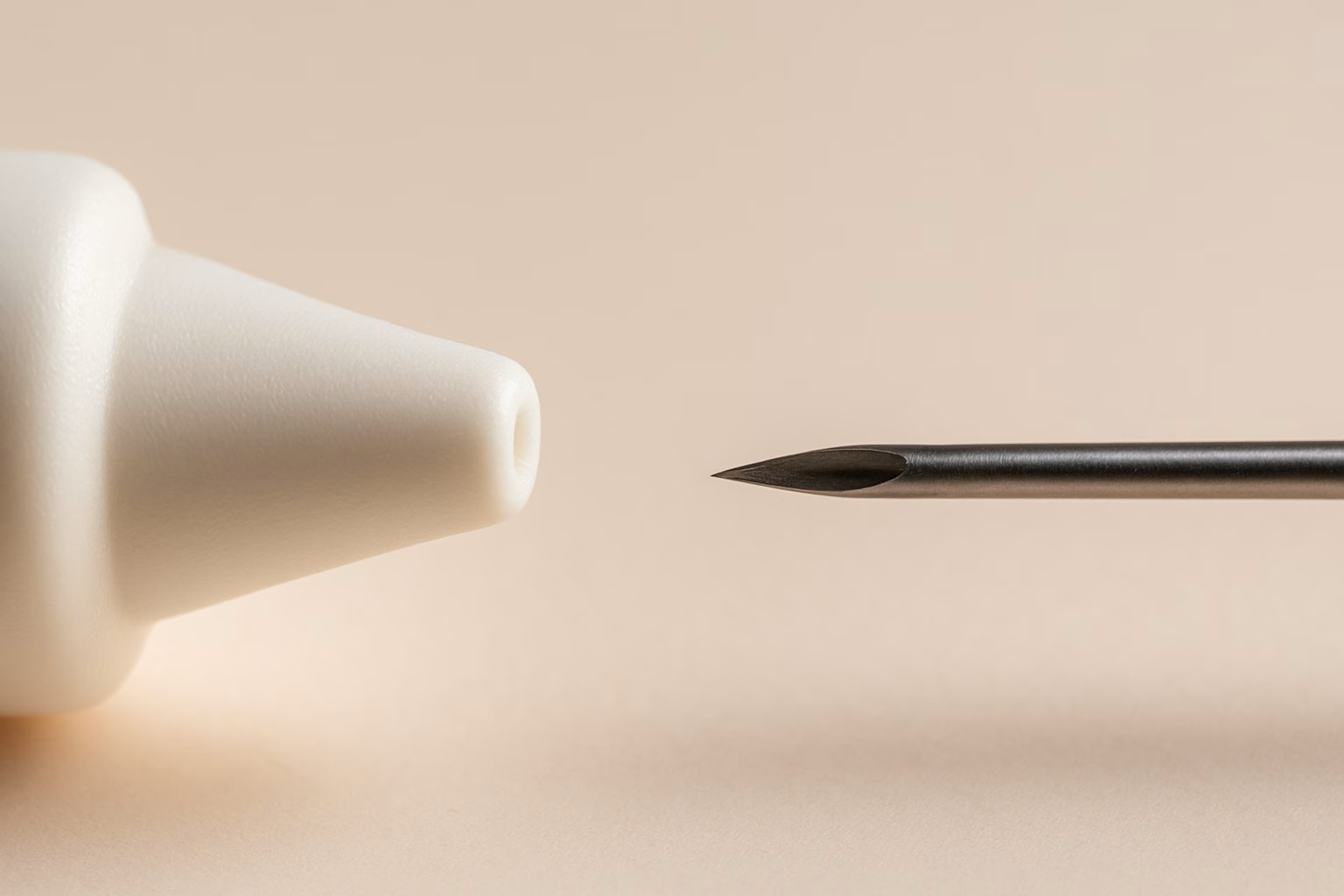
On treatment day, the skin is cleansed, a topical numbing cream may be applied, and the injections take about 10 to 15 minutes. Aftercare includes avoiding rubbing the treated areas for 24 hours. For selected neurotoxin treatments, the clinic uses NavaClick, an FDA-cleared metered injection system; it is a delivery device and does not change the product or how it works.
Your unit count and pricing are confirmed at the consultation, since both depend on the areas treated. Learn more on our Letybo treatment page or compare options on the neurotoxin treatments page.
Frequently asked questions
Is Letybo FDA approved for forehead lines?
No. Letybo is FDA approved for moderate to severe glabellar lines, the frown lines between the brows, in adults. Using it for horizontal forehead lines or crow’s feet is off-label in the US, so your injector decides the dose.
Can I use the same number of units as my Botox treatment?
No. Botulinum toxin units are product-specific and cannot be converted between products. Share your previous product, units and results with your injector so they can plan your Letybo dose.
How long does Letybo last?
Results are temporary: muscle movement gradually returns over the following months, and timing varies by person and area. For more on how neurotoxin results fade, see our article on how long Botox lasts.
What should I expect to see before and after Letybo?
Expect less creasing when you frown, raise your brows or squint, rather than a change in how your face looks at rest. Changes build gradually over the first days after treatment, so judge the result once it has fully set in. Deep lines visible at rest may soften but are not always fully erased.
How much does Letybo cost per unit?
Your total depends on how many units you need and how many areas are treated. Pricing is confirmed at your consultation, and current details are on our Letybo treatment page.