Is PRF Safe? The Short Answer
For most healthy adults, PRF (platelet-rich fibrin) is generally considered a low-risk cosmetic treatment, but it is not risk-free. It is made from your own blood with no added anticoagulant, so reactions to the material itself are uncommon. The blood draw and the injections still carry the usual risks of any injectable: bruising, swelling, tenderness and, less commonly, infection. How safe PRF is for you depends on your medical history, sterile handling of the sample and the experience of the licensed medical provider.
PRF is autologous, meaning it comes from your own body. It contains no foreign proteins, preservatives or synthetic filler, which is why it is described as biocompatible. Most of the risk therefore comes from the procedure, not the material. Three things matter most:
- Candidacy. Blood and platelet disorders, certain medications and active infections can make PRF unsuitable.
- Sterile handling. The sample should be drawn, spun and reinjected under clean conditions in the same visit.
- Injector skill. This matters most under the eyes, where the skin is thin and blood vessels lie close to the surface.
This guide is general education, not a diagnosis. Research on PRF in aesthetic medicine is still developing and much of it comes from small studies (see this systematic review of injectable PRF), so where the evidence is limited, the article says so. A provider who reviews your history in person should confirm whether PRF suits you.
What Is PRF and How Is It Different From PRP?
Both PRF and PRP (platelet-rich plasma) start with a small sample of your own blood that is spun in a centrifuge and then injected into the skin or scalp. They are prepared differently, so the final products behave differently.
How PRF is made
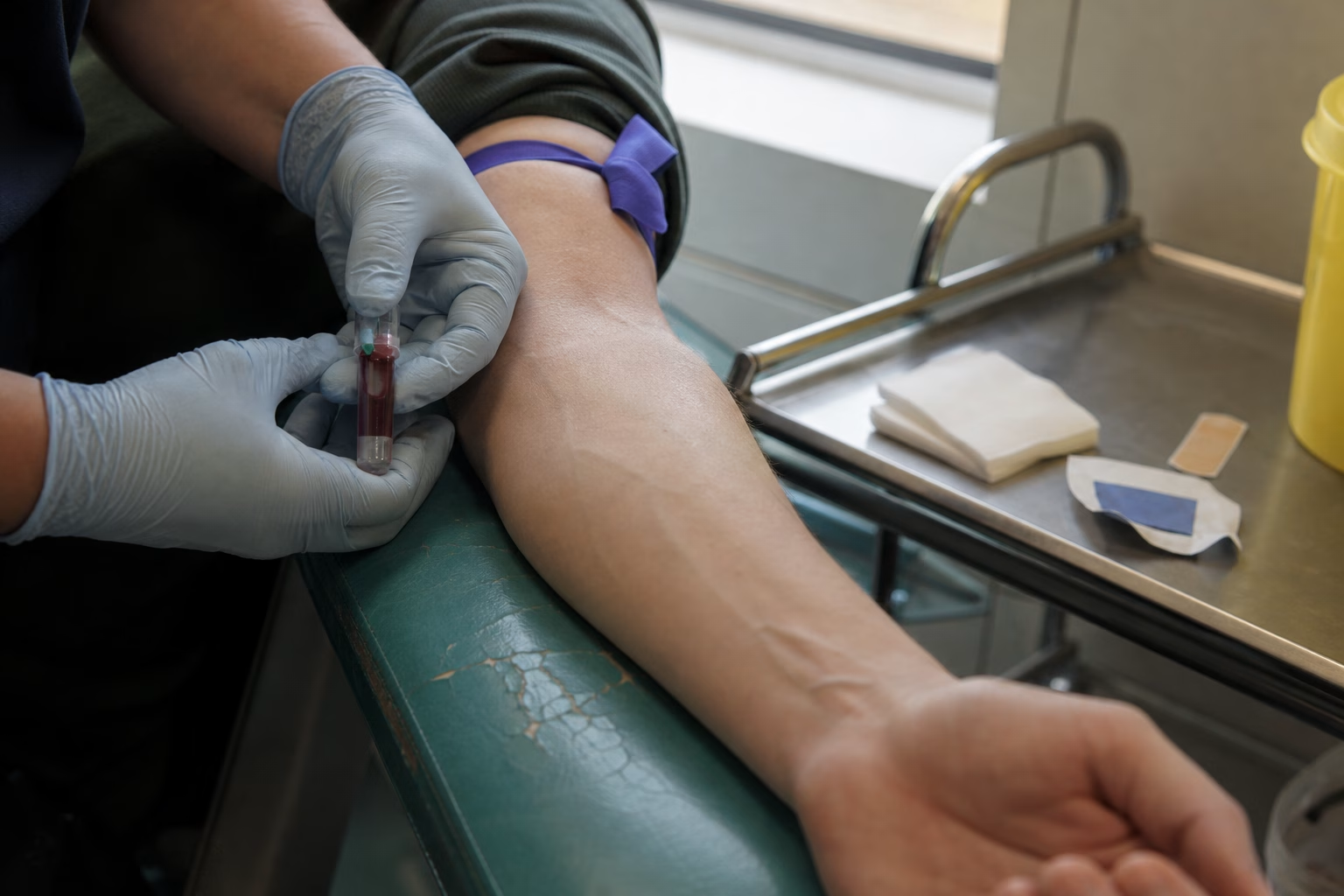
Blood is drawn, usually from the arm, into tubes without an anticoagulant and centrifuged, typically at gentler or shorter settings than many PRP protocols. Because nothing blocks clotting, fibrinogen in the plasma begins turning into fibrin, a soft mesh that holds platelets and some white blood cells. For injections, the liquid PRF layer is used promptly, before it sets.
Supporters suggest the fibrin matrix may release growth factors more gradually than liquid PRP. Treat this as a proposed advantage: it has not been shown that PRF gives better cosmetic results than PRP. A systematic review of PRP vs PRF for the under-eye area found benefits for both, with PRF linked to smoother, less crepey skin and PRP to better results on pigmentation, so neither is simply better.
PRF vs PRP at a glance
| Feature |
PRF |
PRP |
| Starting material |
Your own blood |
Your own blood |
| Anticoagulant in the tube |
No |
Usually yes |
| Centrifuge settings |
Usually gentler or shorter |
Varies by system, often faster |
| Final form |
Liquid that gradually forms a fibrin matrix |
Platelet-rich liquid that stays liquid |
| Common aesthetic uses |
Under-eye area, skin quality, sometimes scalp |
Hair and scalp, skin rejuvenation, often with microneedling |
| Research base |
Newer and smaller |
Larger and longer-standing, especially for hair |
AestheteMed offers both as separate services, PRF treatment and PRP therapy, so the choice can be made at consultation based on your goal and the area.
Common Uses: Under-Eye, Skin Quality and Hair
PRF is used most often for the under-eye area and overall skin quality, and less often for thinning hair. Results build gradually, vary from person to person, and the strength of evidence differs by use.
PRF under the eyes
People consider PRF under the eyes for hollows, thin or crepey skin and dark circles. The aim is to support the skin’s own renewal over time, not to add instant volume the way hyaluronic acid filler does. The clinic’s PRF page lists goals such as thicker-looking under-eye skin, less visible shadows and softer tear troughs; these are treatment goals, not guaranteed outcomes. Dark circles have several possible causes, including pigment, visible blood vessels and volume loss, and each may respond differently. Because the skin there is thin, swelling and bruising are often more noticeable than elsewhere.
Skin texture and fine lines
PRF is also used for texture, tone and fine lines on the face, neck and other areas, sometimes combined with microneedling, which creates tiny channels in the skin. Expect gradual change over weeks.
Thinning hair
For pattern hair loss, PRP has the larger body of research (see Cleveland Clinic on PRP injections). Some providers use PRF for hair, but data are more limited, so ask your provider which option has better support for your situation.
Side Effects and What to Expect After Treatment
Most side effects are mild, appear at the blood draw or injection sites, and settle on their own within days. A few signs are not part of normal recovery.
Expected and usually temporary
- Soreness or a small bruise where blood was drawn
- Redness and pinpoint marks at injection sites
- Swelling, often more noticeable under the eyes
- Bruising in the treated area
- Tenderness or a feeling of tightness
- Small bumps that flatten as the PRF is absorbed
When to contact your provider
- Pain that gets worse instead of better
- Redness or warmth that spreads, or pus at an injection site
- Fever or feeling unwell after treatment
- Lumps that persist well beyond the expected recovery window
- Any change in skin color (blanching or a dusky, mottled patch) or any change in vision after a facial injection. Seek urgent care for these.
These risks are not unique to PRF. Infection, bruising and vascular complications are possible with any injection, which is why training and knowledge of anatomy matter as much as the material.
Aftercare basics
Follow your provider’s specific instructions. Common advice includes keeping the area clean, not rubbing or massaging it unless told to, and avoiding makeup, strenuous exercise and heat for the period your provider recommends. Ask before taking a pain reliever, because some can increase bruising. Leave a buffer before important events, especially after under-eye treatment.
Who Should Avoid or Postpone PRF
PRF may not suit you if your platelets, clotting or immune response may not work normally, or if you have an infection in or near the treatment area. Commonly cited reasons to avoid or delay it include:
- Platelet or clotting disorders, or a low platelet count
- Anticoagulant or antiplatelet medicines. Never stop these on your own; talk to the doctor who prescribed them.
- An active skin infection, cold sore or inflamed breakout in the area
- Active cancer, particularly blood cancers
- A systemic infection or fever
- Pregnancy or breastfeeding, because data in these groups are lacking
At consultation, list every prescription, over-the-counter drug and supplement you take, since some affect bleeding and bruising, and mention past cosmetic treatments in the same area, including fillers. The provider makes the final call.
How Many Sessions Do You Need and What Affects Cost?
PRF is usually planned as a short series of sessions spaced several weeks apart, sometimes followed by optional maintenance. There is no single fixed protocol: the number depends on the area, your goal and how your skin or scalp responds, and providers typically reassess after each session.
What affects PRF cost
- Treatment area. Under-eye, full face, neck and scalp take different amounts of time and material.
- Number of sessions. A series costs more overall than a single visit.
- Combination treatments. Adding microneedling or other services changes the plan.
- Preparation system. Tubes and centrifuges differ between clinics.
- Provider expertise. Delicate areas such as the under-eye call for more experience.
Pricing is confirmed at consultation once your plan is clear.
Considering PRF in South Florida: How AestheteMed Can Help
If you are in Miami, Aventura, Fort Lauderdale or nearby, AestheteMed in Hallandale Beach offers PRF treatment and PRP therapy under medical supervision, after a personalized consultation that reviews your history, medications and goals. For more on rejuvenation, see the PRF rejuvenation overview.
If you already have hyaluronic acid filler under your eyes that looks uneven or bluish, a provider may suggest dissolving it with hyaluronidase before planning PRF. Hyaluronidase works only on hyaluronic acid filler, not on products such as Radiesse or Sculptra.
Frequently asked questions
Is PRF safer than under-eye filler?
They carry different risks rather than one being simply safer. PRF comes from your own blood, so reactions to the material are uncommon, but it works gradually and results vary. Hyaluronic acid filler adds volume right away and can be dissolved with hyaluronidase if needed. Both involve injections near the eye, so the provider’s experience matters for either option.
Is PRF FDA approved?
Not in the way a drug is approved. PRF is prepared from your own blood during the visit; the tubes and centrifuges used to prepare it are medical devices with their own regulatory status. Ask your provider which preparation system they use and what it is cleared for.
Does PRF hurt?
Most people feel a brief pinch during the blood draw and pressure or stinging during the injections. Many providers apply a numbing cream first; ask how discomfort is managed at your visit. Mild tenderness afterward is common and short-lived.
How long until I see PRF results, and how long do they last?
Changes are gradual and are usually assessed over several weeks, often after a series of sessions. How long results last varies with age, skin condition, lifestyle and the area treated, and some people choose occasional maintenance.
Can I get PRF if I already have hyaluronic acid filler under my eyes?
Possibly, but have a provider assess the area first. If the filler is lumpy, has migrated or causes a bluish tint, dissolving it with hyaluronidase first may give a cleaner starting point. Bring the brand and date of your previous filler if you know them.